
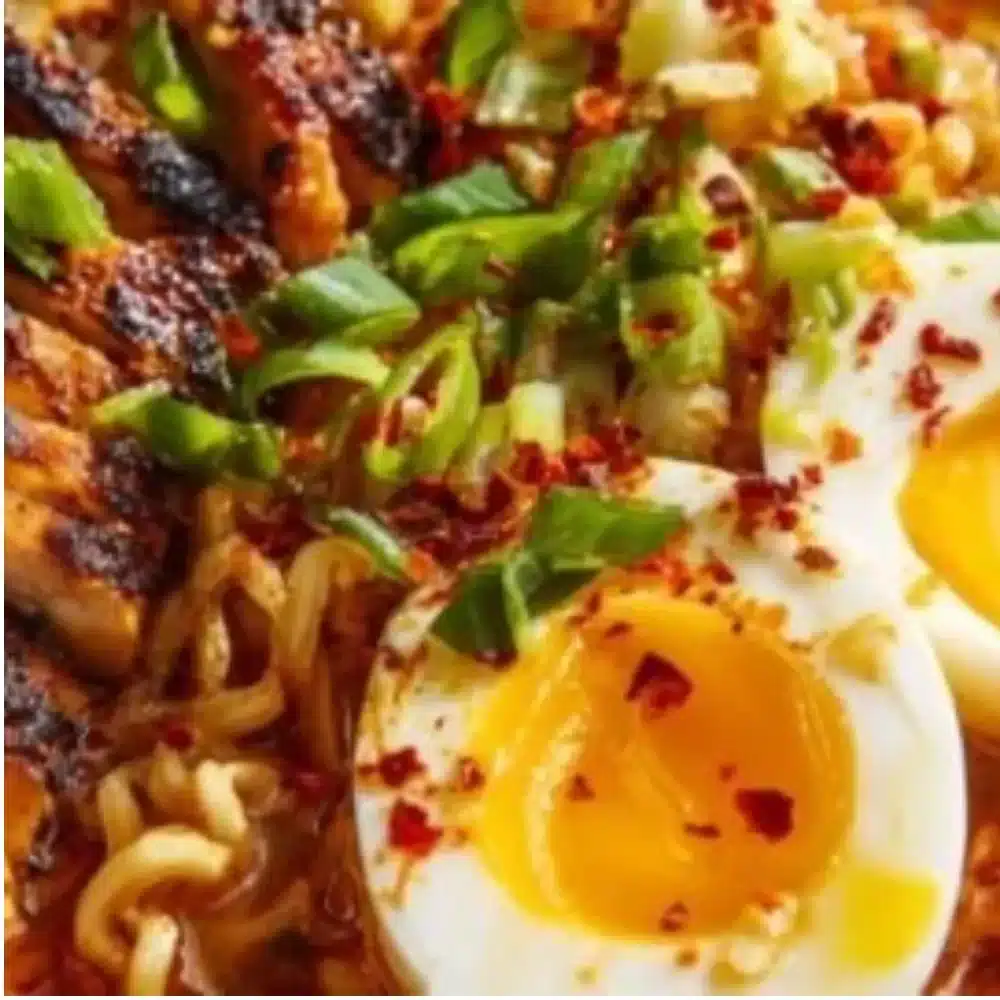
Ramen Noodles
Ramen Noodles are one of those magical dishes that can transform any evening into something special. They’re warm, comforting, and loaded with flavor, offering a delightful escape from the everyday hustle. Picture a steaming bowl filled with luscious noodles bathed in a rich, savory broth, accented by fresh veggies and the umami kick of soy sauce. As you lift the first bite to your lips, the vibrant aroma envelops you, instantly reminding you of cozy nights spent around the table with loved ones. I remember making a big batch of Ramen Noodles for my friends during the chill of early spring, the air still crisp yet the kitchen radiating warmth from the stovetop. You’ll love how simple yet satisfying it is.
Prep Time:
Cook Time:
Total Time:
Servings:
Difficulty:
Key Ingredients:
Dietary Tags:
In one delightful sentence, Ramen Noodles are a versatile, heartwarming dish that you can easily customize to suit any palate or occasion while bringing comfort to your kitchen.
Why Make This Recipe
Making Ramen Noodles is more than just cooking; it’s about creating an experience and a moment of togetherness. The smell of garlic and ginger sizzling in sesame oil fills the kitchen with an inviting warmth, drawing everyone closer. As the flavors meld in the pot, it’s hard not to dream of evenings spent with friends gathered around, bowls in hand, laughter sharing the air like a fragrant spice.
The ease of this recipe is especially appealing for busy weeknights or that magical holiday table. With minimal ingredients, you can find the exuberant heart of Ramen Noodles that feels both special and accessible. The joy of pulling those long, tender noodles into your mouth while sipping the aromatic broth is an experience that everyone should have.
This recipe effortlessly transforms simple ingredients into a satisfying meal, making it a staple in your culinary repertoire. It’s the kind of recipe you’ll return to all year long.
How to Make Ramen Noodles
Bring a small saucepan of water to a rolling boil. Carefully lower in two eggs and let them dance in the bubbling water for six to seven minutes until just barely set yet still delicate. Transfer the eggs into an ice bath to halt their cooking, and once cooled, peel to reveal the silky yolks that will soon crown your creation.
In a large pot, heat one tablespoon of toasted sesame oil until it shimmers invitingly. Add two minced garlic cloves and one inch of freshly grated ginger, allowing them to sauté together until fragrant, about thirty seconds. Pour in two cups of low-sodium chicken or veggie stock and two tablespoons of soy sauce, then bring this aromatic mixture to a gentle simmer.
Introduce two blocks of Ramen noodles to the simmering broth, letting them cook for two to three minutes. Stir gently to separate them as they become tender and absorb the flavors swirling around them. After this, add half a cup of sliced mushrooms, allowing them to soften for two minutes. In the last minute of cooking, toss in one cup of washed baby spinach or bok choy, delighting as it wilts gracefully into the broth.
Now, if you wish to incorporate any pre-cooked proteins, like chicken or tofu, this is the moment to add them, allowing their flavors to mingle with the broth. Divide the noodles and broth into bowls, and for the finishing touch, halve the soft-boiled eggs and place them atop the noodles. Garnish with two sliced green onions, a sprinkle of sesame seeds, and a drizzle of chili oil, if desired.
Now that your kitchen smells amazing, let’s look at what you’ll need. Two blocks of Ramen Noodles, two cups of chicken or veggie stock, two tablespoons of soy sauce, one tablespoon of toasted sesame oil, two garlic cloves minced, one inch of fresh ginger grated or sliced thin, two soft-boiled eggs, one cup of baby spinach or bok choy washed, half a cup of sliced mushrooms, one fourth cup of corn kernels, two green onions sliced for garnish, one teaspoon of sesame seeds for optional garnish, and chili oil to taste. If you would like to build on this delightful base, consider adding pre-cooked protein like chicken, tofu, or pork.
Why This Recipe Works (The Science)
This Ramen Noodles recipe heat the senses and forms a tapestry of flavors, thanks to the chemistry happening in the pot. The warmth of the broth tenderizes the noodles, creating that sought-after slurp. Not only does the sesame oil enhance the dish’s flavor, but it also helps the garlic and ginger release their enticing aromas, which in turn amplifies the overall experience.
Science Tip: Cooking the noodles in the broth rather than water allows them to absorb the flavors, resulting in a much richer dish.
Expert Insight: Soft-boiling the eggs before adding them to the final dish creates a luscious texture, as the creamy yolk oozes into the broth, enriching each bite with even more flavor.
Adding fresh vegetables like spinaches or bok choy introduces a vibrant contrast in texture and a bounty of nutrients. You’ll be pleased to note that ingredients like spinach offer vitamin K, which supports healthy bones.
How to Serve Ramen Noodles
Ramen Noodles can be served any time, transforming an ordinary meal into an extraordinary feast. They make a perfect centerpiece on a casual weeknight dinner, where the aromas waft through the kitchen, calling everyone to gather. Serve them with additional toppings like nori for a hint of ocean brine, or a sprinkle of sesame seeds to add a bit of crunch.
Hosting a cozy gathering? Set up a Ramen bar where everyone can create their own perfect bowl, picking from assorted garnishes, proteins, and seasonings. The noodles provide a wonderful foundation, giving family and friends the opportunity to express their creativity, making the meal a joyful and shared experience.
How to Store Ramen Noodles
If you happen to have leftovers, storing your Ramen Noodles can be simple. Allow the broth and noodles to cool completely. You can keep the noodles and broth in separate airtight containers in the fridge for up to three days. When reheating, just be prepared for the flavors to deepen overnight, allowing the essence of the spices to permeate the noodles more profoundly.
If you’d like to freeze a portion, the noodles can be frozen for up to a month, but be warned—the texture may change slightly upon thawing. This means they might not be as luxuriously chewy, but the flavors will still shine through.
Tips to Make Ramen Noodles
For the best experience, be sure to cook the noodles only until they are tender yet still firm; you want that perfect al dente texture. Another fantastic tip is to experiment with the broth; adding a dash more of soy sauce can heighten umami while a splash of lime brings brightness.
Instead of traditional toppings, why not try adding pickled vegetables? Their tangy flavor complements the rich broth beautifully. When preparing your Ramen Noodles, consider using fresh ingredients whenever possible; they elevate the flavors in ways that dried or canned simply cannot.
Finally, pay attention to portion sizes; serving a generous amount of broth becomes important for a balanced experience. Save this recipe for your next cozy weekend dinner.
Variations and Substitutions
If you’re itching to put your own spin on Ramen Noodles, there are countless variations to consider. For a hearty dish that warms the soul, add in sliced jalapeños for a spicy kick, perfect for chilly evenings. A vegetarian option might swap out the chicken stock for a mushroom broth, initially over simmering mushrooms to extract their deep flavor.
For an autumnal twist, roasted pumpkin can replace the greens, adding a sweetness and creaminess that complements the savory base. If you’re looking to lighten things up, consider zucchini noodles instead of traditional noodles; they provide a fresh crunch while drastically reducing carbs.
Finally, if you’re prepping for a special occasion, try incorporating fresh seafood, such as shrimp or scallops, cooked directly in the broth for a sophisticated take that’s sure to impress.
FAQs
How do I cook Ramen Noodles to avoid them becoming mushy?
To achieve the perfect texture, cook the Ramen Noodles just until tender but still firm. Immediately drain them and rinse under cold water to stop the cooking process if they’re not served right away.
Can I use any type of Ramen Noodles for this recipe?
Yes, you can use fresh or dried instant Ramen Noodles; just be cautious of the cooking times, as they may vary.
Is there a gluten-free option for making Ramen Noodles?
Absolutely, you can find gluten-free Ramen made from rice or buckwheat noodles that work beautifully in this dish.
Can I make Ramen Noodles ahead of time?
While the best experience is fresh, you can prepare the broth and noodles ahead of time, storing them in separate containers for up to three days in the fridge.
What proteins pair well with Ramen Noodles?
Cooked chicken, tofu, and pork all pair wonderfully with Ramen Noodles, but almost any protein can complement the dish beautifully.
People Also Ask
How long do Ramen Noodles last in the fridge?
Ramen Noodles can last for up to three days in the fridge when properly stored, allowing their flavors to deepen.
What type of broth is best for Ramen Noodles?
A rich chicken, beef, or vegetable broth works best for Ramen Noodles, enhancing the overall depth of flavor.
Nutritional Information
Calories: Four hundred
Protein: Twenty-five grams
Carbs: Fifty grams
Fat: Fifteen grams
Fiber: Three grams
Vitamin: One hundred percent of your daily value of Vitamin A
The beauty of this dish lies in its balance of flavors and textures. Rich in fiber and naturally low in fat, Ramen Noodles can be a part of a healthy lifestyle.
Conclusion
Ramen Noodles bring more than just nourishment; they offer warmth, comfort, and the opportunity for connection. The vibrant, savory broth, combined with the delicate noodles and toppings, resonates on both the palate and the heart. In every bowl, Ramen Noodles remind us that comfort can be simple yet impactful. Sip slowly, breathe deeply, and let every glass remind you that wellness can be simple.

Ramen Noodles

Ingredients
For the broth
- 2 cups low-sodium chicken or veggie stock
- 2 tablespoons soy sauce
- 1 tablespoon toasted sesame oil
- 2 minced garlic cloves
- 1 inch fresh grated ginger
For the noodles
- 2 blocks Ramen noodles
- 0.5 cup sliced mushrooms
- 1 cup washed baby spinach or bok choy
- 2 soft-boiled eggs halved for garnish
- 2 sliced green onions for garnish
- 1 teaspoon sesame seeds optional garnish
- to taste chili oil optional
Optional additions
- to taste pre-cooked proteins like chicken, tofu, or pork
Instructions
Preparation
- Bring a small saucepan of water to a rolling boil. Carefully lower in two eggs and let them dance in the bubbling water for six to seven minutes until just barely set.
- Transfer the eggs into an ice bath to halt their cooking, and once cooled, peel to reveal the silky yolks.
Cooking the broth
- In a large pot, heat one tablespoon of toasted sesame oil until it shimmers invitingly.
- Add two minced garlic cloves and one inch of freshly grated ginger, and sauté until fragrant, about 30 seconds.
- Pour in two cups of low-sodium chicken or veggie stock and two tablespoons of soy sauce, then bring to a gentle simmer.
Cooking the noodles
- Introduce two blocks of Ramen noodles to the simmering broth and cook for 2-3 minutes, stirring gently to separate them.
- Add half a cup of sliced mushrooms and allow them to soften for two minutes.
- In the last minute, toss in one cup of washed baby spinach or bok choy.
- If using, add any pre-cooked proteins at this stage and let their flavors mingle.
Serving
- Divide the noodles and broth into bowls.
- Halve the soft-boiled eggs and place them atop the noodles.
- Garnish with sliced green onions, sesame seeds, and a drizzle of chili oil, if desired.